
How to Check The History of a Used Truck Before Buying: Inspect The Vehicle History Report Before Buying a Used Truck
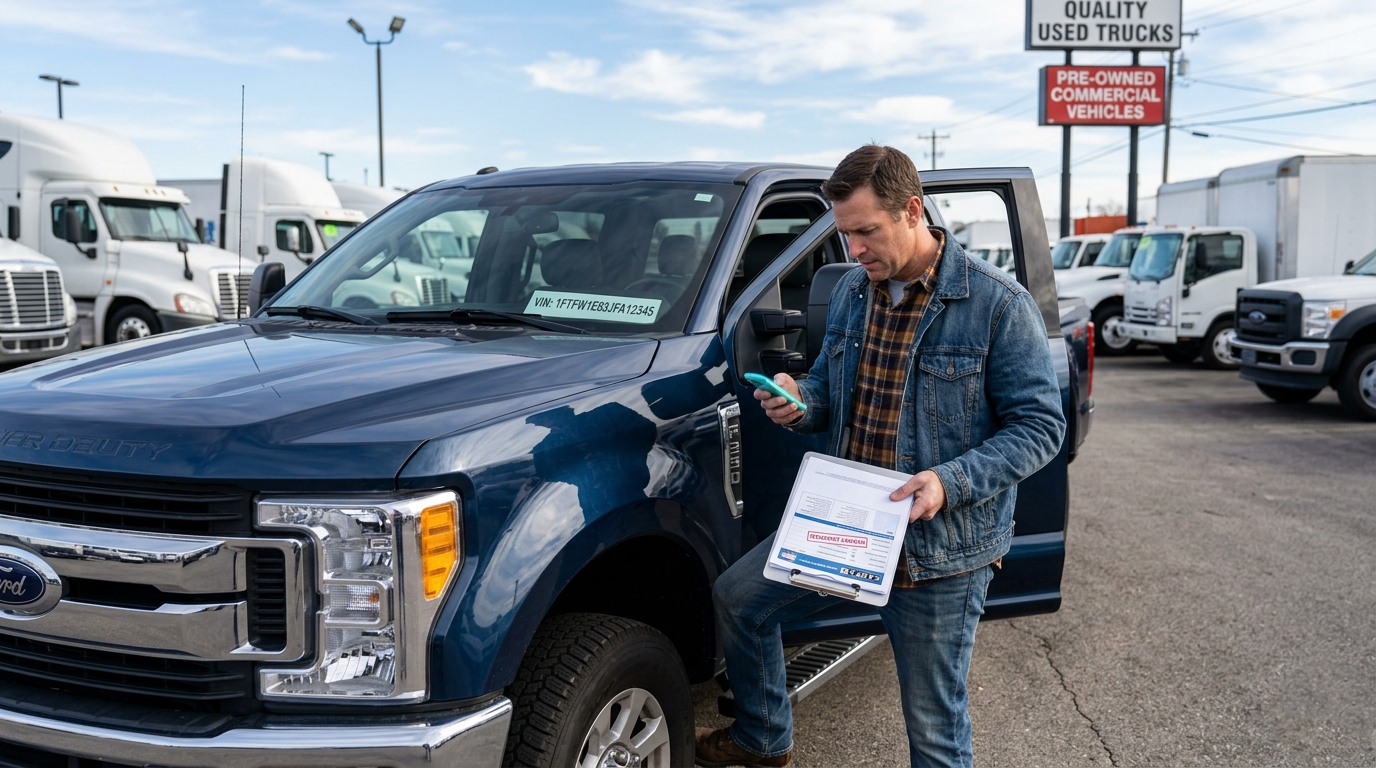
Buying a used truck can save money, but checking the vehicle history is critical to avoid hidden issues like flood damage, salvage titles, or undisclosed accident history. Before you start shopping—whether at a dealership or a private sale—make sure to obtain a complete vehicle history report, do a VIN check, and arrange a pre-purchase inspection. This guide walks you through each step and explains exactly how to check the history of a used truck before buying and what red flags to watch for.
First, understand what a vehicle history report reveals about a used truck.
A vehicle history report compiles data from multiple sources—title agencies, service records, police reports, and insurance databases—to show a used truck’s ownership history, accident history, and whether it has a salvage vehicle title. Common providers like CARFAX and AutoCheck pull the vehicle identification number (VIN) to produce history reports that highlight previous owner counts, flood damage, and reported collisions.
When you get a vehicle history report, look for discrepancies in mileage, gaps in service history, and recorded odometer rollbacks. A full report should include service records such as oil changes and major repairs, national motor vehicle title information, and any entries from the National Insurance Crime Bureau indicating theft or total loss.
How can I get a vehicle history report for a used truck?
To get a vehicle history report, start by obtaining the VIN (vehicle identification number) from the truck’s dashboard, door jamb, or paperwork. Enter the VIN on services like CARFAX, AutoCheck, or the Motor Vehicle Title Information System to retrieve history reports. Some used car dealers provide a free vehicle history report as part of their listing—ask for it before signing anything.
Paid reports often provide deeper insights: AutoCheck score, number of previous owners, and detailed accident history. Use multiple services when possible because no single database is fully comprehensive. If shopping privately, insist that the seller shares a complete vehicle history report to confirm there are no hidden issues like salvage or flood damage.
What red flags in history reports should stop me from buying a used truck?
Key red flags in vehicle history reports include salvage titles, repeated accident history, inconsistent mileage, and flood damage. A salvage vehicle or salvage title indicates the truck was declared a total loss by an insurer and may have hidden structural damage or electrical problems. Flood damage entries or water-related repairs can cause long-term corrosion and mold.
Also look for extensive repairs concentrated in one period, conflicting ownership history, and the National Insurance Crime Bureau’s or theft records. If the Autocheck score is low or the service history is spotty without reasonable explanations, that could mean hidden damage or poor maintenance—both reasons to walk away or demand a steep price reduction and a thorough pre-purchase inspection by a mechanic.
How do I perform a VIN check and interpret the results?
A VIN check starts by decoding the vehicle identification number to confirm the truck’s make, model, engine, and country of manufacture. Use VIN check tools from CARFAX, AutoCheck, or government resources like the National Motor Vehicle Title Information System to verify registration details and title brands. Confirm that the VIN on the truck matches the VIN on the title and vehicle history report to avoid title fraud.
Interpreting results means comparing reported mileage to the odometer, noting any title changes, and identifying entries such as “rebuilt” or “salvage.” Pay special attention to ownership history and the number of previous owners—frequent transfers can indicate recurring problems or commercial use like a work truck that experienced heavy wear and tear.
What questions should I ask the seller when buying a used truck?
Ask clear, targeted questions to uncover the truck’s maintenance history and past incidents. Useful questions to ask include: How many previous owners? Do you have service records and oil changes documented? Has the truck ever been in an accident or had flood damage? Was the vehicle used as a work truck or for towing heavy loads?
Also, ask for details about the truck bed, recent repairs, and why they are selling. If the seller is a dealership, request the vehicle inspection report and any warranty options. If it’s a private sale, insist on full maintenance records and consider a professional pre-purchase inspection to verify the answers and reveal hidden issues.
Should I get a pre-purchase inspection, and what does it include?
Yes—getting the truck inspected by a trusted mechanic is essential. A pre-purchase inspection covers the engine, transmission, suspension, frame, brakes, and signs of rust or flood damage. Mechanics will check the oil for contamination, look under the truck for frame repairs, and evaluate the extent of the damage from any past accidents.
Ask the mechanic to inspect the service history alignment with the condition and to look for signs of hidden damage like uneven paint, mismatched panels, or welding marks. A thorough inspection combined with a vehicle history report and test drive gives you the confidence to move forward or walk away when buying pre-owned.
How do service records and maintenance history affect my decision?
Consistent service records and maintenance history are strong indicators that the used truck was cared for. Look for regular oil changes, scheduled maintenance, and receipts for major repairs. A complete vehicle history with frequent oil changes, timing belt replacements, and documented maintenance increases resale value and lowers the risk of hidden issues.
Gaps in service history or vague “routine maintenance” entries can be red flags. If the truck has a patchy maintenance history, budget for possible repairs and request a deeper inspection. Use tools like Kelley Blue Book to assess fair value based on the truck’s condition and documented service history.
What should I look for during a test drive of a used truck?
During a test drive, check how the engine performs, listen for unusual noises, test the transmission through all gears, and evaluate braking response. Pay attention to steering alignment, vibrations at highway speeds, and whether the vehicle pulls to one side—these can indicate suspension or frame problems. Also, test the towing capability lightly if you plan to use the truck for hauling.
Use the test drive to check instruments and electronics, and look for warning lights that may not be documented in the vehicle history report. If the vehicle stalls, overheats, or shows inconsistent acceleration, these are serious red flags. Combine test drive impressions with the vehicle history report and mechanic’s inspection before finalizing the purchase.
How can I detect rust, flood damage, or hidden issues in a used truck?
Look under the hood, inside wheel wells, around door seals, and under the truck bed for signs of rust, corrosion, or water stains. Flood damage indicators include musty odors, silt or mud under carpets, and corrosion on electrical connectors. History reports may indicate flood damage or salvage status, but a careful walk around the truck and an inspection will reveal signs the report might miss.
Check for mismatched paint, new undercoating, or replaced panels that could hide collision repairs. Use flashlights to inspect hard-to-see areas and ask a mechanic to probe for rust affecting structural components. Hidden issues like frame damage or compromised electronics often follow accidents or floods and can be costly to repair.
Where should I buy a used truck: dealership or private sale?
Buying from a used car dealership often provides advantages like vehicle history reports on file, certified pre-owned options, and some warranty coverage. Dealerships may have the truck inspected and repaired before sale, which reduces the risk of hidden damage. Used car dealers frequently provide CARFAX or AutoCheck reports as part of their listing.
A private sale can offer lower prices but requires more diligence—insist on a VIN check, full service records, and a pre-purchase inspection. Whether you choose a private seller or dealership, prioritize getting a complete vehicle history, verifying the VIN, and ensuring the truck was not a salvage vehicle or flood-damaged before buying a used truck.
How do I use history reports and inspections to buy with confidence?
Combine the vehicle history report, VIN check, service records, and a mechanic’s pre-purchase inspection to build a complete picture of the truck’s condition. Match the vehicle history report against the truck’s physical condition: consistent service entries should align with the maintenance history you see. Discrepancies or missing records are cause for additional scrutiny.
Create a checklist of red flags—salvage title, flood damage, excessive rust, inconsistent mileage, and low Autocheck score—and use it when evaluating any offer. If everything checks out, you can negotiate based on Kelley Blue Book values and documented wear and tear to secure a fair price. This combined approach helps you avoid hidden issues and buy with confidence.
Conclusion
How to check the history of a used truck before buying comes down to three core steps: get a vehicle history report using the VIN, have the truck inspected by a qualified mechanic, and verify service records and ownership history. Pay special attention to red flags in history reports—salvage titles, flood damage, inconsistent mileage, and heavy work truck use—and always test drive and inspect the vehicle for rust and hidden damage.
When purchasing a used vehicle, whether from a private seller or a dealership, use the complete vehicle history, maintenance records, and a pre-purchase inspection to make a confident decision. If you’re shopping for a used truck locally, consider reputable sellers like Halls Pre-Owned Cars and Trucks, a Used Car Dealership in Knoxville, TN. Working with established used car dealers and dealerships that provide vehicle history reports and inspection records helps you find quality used cars for sale and buy with confidence.
Frequently Asked Questions:
Q: What documents should I check to verify a used truck’s history?
Ask for the title, service records, maintenance receipts, and any accident or repair invoices; match the VIN on documents to the truck.
Q: How can I run a vehicle history report?
Use the truck’s VIN with services like CARFAX, AutoCheck, or a DMV records search to see accidents, title issues, mileage, and salvage history.
Q: Should I get a professional inspection before buying?
Yes—have a trusted mechanic inspect the engine, transmission, frame, and electronics to uncover hidden damage or costly repairs.