
How to Check the Vehicle History Report of a Used Truck Before Buying
Buying a used truck is a major decision — knowing how to check the history of a used truck before buying can save you from costly repairs and unexpected problems. Inspect the vehicle history report before buying a used truck to get a clear picture of the vehicle’s history, repairs, mileage, and ownership history. A thorough VIN check, review of service and maintenance records, and understanding reports like Carfax or AutoCheck give car buyers the peace of mind to make an informed decision.
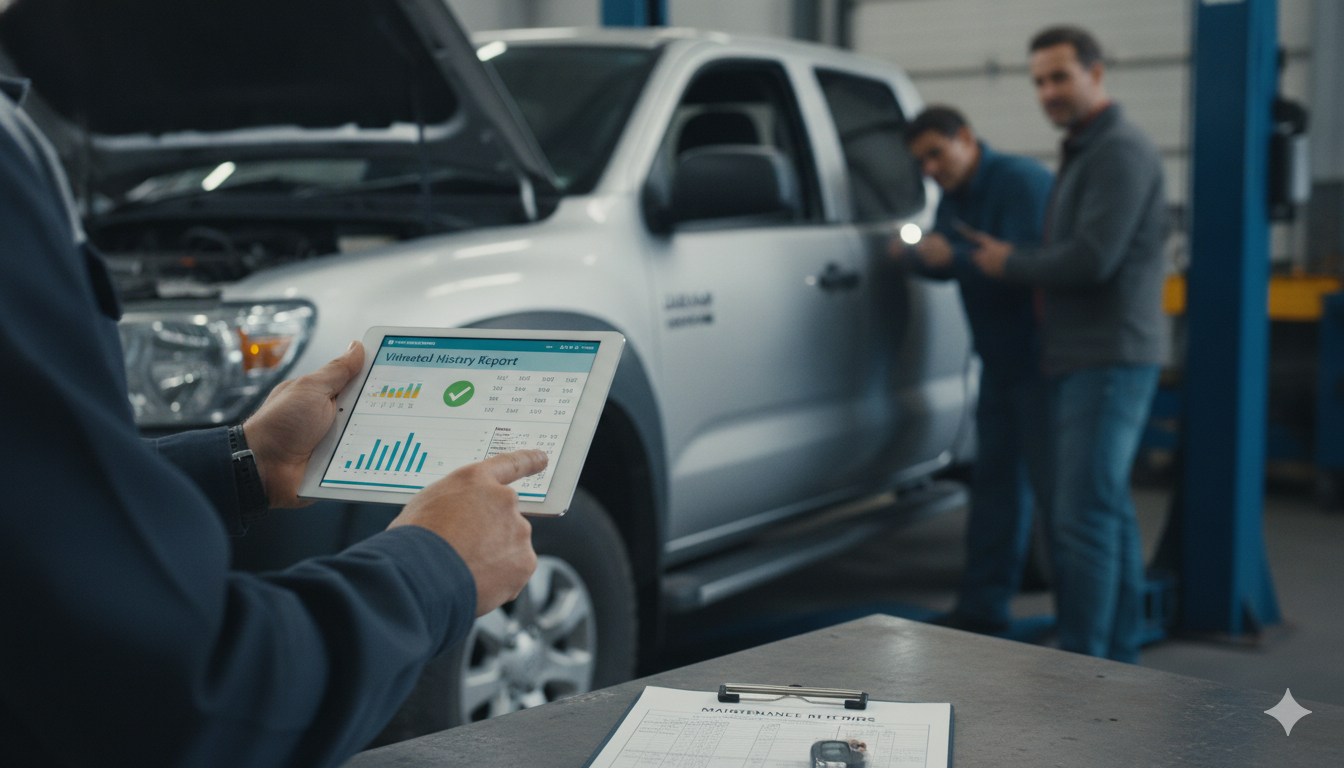
What does a vehicle history report reveal about a used truck?
A vehicle history report compiles data tied to the vehicle identification number (VIN), the unique 17-character code that identifies the vehicle’s vin or vehicle’s vin. These reports often include accident history, title status (clean title or salvage), odometer readings, and whether the car has been reported stolen. Getting a vehicle history report before buying a used truck is a foundational step in car shopping.
Reports from services like Carfax or AutoCheck pull information from databases such as NMVTIS (National Motor Vehicle Title Information System), the National Insurance Crime Bureau, DMV records, and service centers. A comprehensive vehicle history helps buyers spot red flags like being declared a total loss, flood damage, or discrepancies in the odometer reading.
How do I run a VIN check for a used truck?
To run a VIN check, locate the vehicle identification number (VIN) on the dashboard, driver’s door jamb, or vehicle title. Use that unique 17-character code to get a vehicle history report from services like Carfax, AutoCheck, or free VINCheck/NMVTIS providers. A VIN check can reveal ownership history, previous owner details, and whether there are open recall notices tied to that VIN.
VIN checks are critical when buying a used vehicle because they help confirm the vehicle’s identity and match maintenance records and odometer readings to the vehicle’s history. If the VIN does not match multiple sources, treat this discrepancy as a major warning sign and consider walking away or requesting additional verification from the dealership.
How can I verify the odometer reading and mileage of a used truck?
Odometer readings can be verified by comparing service records, DMV entries, and previous vehicle history reports. Look for consistent odometer reading patterns across multiple service and maintenance entries; sudden drops or unrealistic mileage jumps indicate potential tampering. A thorough vehicle history report before buying will often show reported mileage at each service visit.
When you test drive the truck, compare the dashboard odometer to the service history and the odometer reading on the vehicle history report. If you find a discrepancy, ask the seller to explain and request supporting documentation like maintenance records or receipts. If answers are unsatisfactory, get a mechanic to inspect for signs of tampering or consider other vehicles.
What should I look for in maintenance records and service history?
Detailed service records are invaluable. Look for regular service and maintenance entries that document oil changes, brake service, timing belt replacement, and other routine care. A consistent maintenance history reduces the likelihood of hidden damage and provides confidence that major repairs were done on time. Reports like Carfax often summarize service history, but ask for physical service records when available.
If the truck lacks maintenance records or the service history seems sparse, budget for a more thorough pre-purchase inspection. Missing maintenance history doesn’t always mean the vehicle is bad, but it increases uncertainty about wear and tear and potential future repairs. A clean report plus detailed maintenance records is the ideal scenario for buyers of used cars and used trucks.
How do I spot accident history, salvage titles, or declared total loss on a used truck report?
Vehicle history reports will flag accidents, salvage titles, and whether the vehicle was declared a total loss by an insurance company. Look for terms like salvage, total loss, or flood damage. A salvage or rebuilt title changes the value and often indicates the vehicle sustained significant damage. If a report shows an accident history, dig into the severity and nature of the incidents and request detailed repair records.
Be cautious with vehicles that have been declared a total loss or have salvage branding. Even if repairs appear thorough, hidden damage and compromised structural integrity can lead to costly repairs down the road. Use a pre-purchase inspection and a trusted mechanic to assess whether a repaired vehicle is safe and practical to buy.
How can I check for recalls and open recall notices on a used truck?
Use the VIN to check recalls with the National Highway Traffic Safety Administration (NHTSA) and manufacturer services. A vehicle history report may list open recall items, but the NHTSA database is the authoritative source. Addressing open recall issues is often free at a dealership, and resolving them before buying adds peace of mind for the buyer.
Ask the seller or dealership for proof that any open recall repairs have been completed. If a recall affects safety systems, airbag deployment, or steering components, prioritize resolving these issues before completing the purchase. Car buyers should insist on documented recall repairs as part of a comprehensive check before buying a used vehicle.
Should I use Carfax, AutoCheck, or NMVTIS when buying a used truck?
Carfax and AutoCheck are popular services that provide comprehensive vehicle history reports, such as the Carfax report and the AutoCheck score. They aggregate data from service centers, DMVs, and insurance filings. NMVTIS is a federal database that focuses on title and total loss information; it’s a reliable source for verifying if a vehicle has been declared a total loss or has salvage branding.
Using more than one report can help you cross-check details and catch discrepancies. For example, run a Carfax report, an AutoCheck report, and an NMVTIS VINCheck to compare ownership history, mileage, and salvage records. This layered approach ensures you get a clean history report or identify issues early in the car shopping process.
How important is a pre-purchase inspection by a mechanic for a used truck?
A pre-purchase inspection by a trusted mechanic is essential when buying a used truck. Mechanics can spot mechanical issues that a vehicle history report may not reveal, such as worn suspension components, engine problems, or hidden damage from previous accidents. Combine a pre-purchase inspection with a vehicle history report before buying to get both documented history and a current condition assessment.
Bring a checklist to the inspection that includes checks for engine leaks, transmission health, rust, and evidence of flood damage. Ask the mechanic to verify service records and look for discrepancies between the vehicle’s condition and its reported maintenance history. A professional inspection helps avoid costly repairs and confirms that service and maintenance claims match the vehicle’s current state.
How can I check ownership history and previous owner information?
Vehicle history reports often list ownership history, including the number of previous owners, locations where the vehicle was registered, and title transfers. Check for frequent ownership changes, out-of-state titles, or ownership patterns that suggest commercial or rental use — all factors that affect a used truck’s wear and tear and value. Ownership history is a key component of getting a vehicle history report.
If ownership history shows many short-term owners or a recent title transfer, ask follow-up questions about why the vehicle changed hands. Use DMV records and the vehicle’s title information to confirm legal ownership and detect title branding like salvage or rebuilt that could affect insurability and resale value.
What red flags should car buyers watch for when reviewing a truck’s history?
Red flags include inconsistent odometer readings, salvage or flood damage branding, multiple accidents, repeated repairs for the same issue, and discrepancies between the vehicle’s condition and its service records. Be alert for missing maintenance records, open recall notices, or a vehicle that was declared a total loss. These warning signs suggest the potential for costly repairs or ongoing mechanical issues.
Other warning signs: a VIN that doesn’t match paperwork, service history that seems fabricated, or a vehicle sold at an abnormally low price without a clear explanation. If you find any of these issues, request clarification, get an independent inspection, and consider walking away if answers are unsatisfactory — your goal is an informed decision when buying a used vehicle.
What steps should I take after reviewing a vehicle history report and before finalizing the purchase?
After reviewing the vehicle history report, do the following: 1) Run additional reports like Carfax and AutoCheck to cross-check information; 2) Schedule a pre-purchase inspection with a trusted mechanic; 3) Verify open recall repairs with NHTSA and the dealer; and 4) Confirm the vehicle title and VIN match paperwork. These steps reduce the risk of hidden damage and ensure the vehicle’s history aligns with what the seller discloses.
Before finalizing, also test drive the truck to check for mechanical issues, verify odometer readings against service records, and request copies of maintenance records and any repair invoices. When buying a used truck from dealerships or private sellers, insist on a full disclosure and a bill of sale that documents the vehicle title and condition.
How can I make an informed decision and avoid costly repairs when buying used?
To avoid costly repairs, combine the insights from a vehicle history report with a thorough mechanical inspection and a careful review of maintenance records. Prioritize trucks with a clean history report, consistent service and maintenance entries, and no salvage or flood damage. Use VinCheck and other tools to validate the vehicle’s identity and history.
Shopping at reputable dealerships and using resources like Carfax or AutoCheck gives additional protection. Whether you’re buying from private sellers or dealerships, documentation — including service records and a clean vehicle title — is your best defense against hidden issues. Making an informed decision reduces the likelihood of unexpected repairs after purchase.
Conclusion:
Inspect the vehicle history report before buying a used truck: run a VIN check using the vehicle identification number, compare Carfax or AutoCheck reports, review maintenance records and service history, verify odometer readings, and get a pre-purchase inspection by a trusted mechanic. Check for salvage, total loss, flood damage, and open recall notices through NHTSA and NMVTIS to protect yourself from costly repairs and hidden damage.
Final tip: always cross-check multiple sources — report from Carfax, AutoCheck score, NMVTIS vincheck, and DMV/title records — and request documentation for repairs, service, and maintenance. For local buyers, consider reputable sellers like Halls Pre-Owned Cars and Trucks, a Used Car Dealership in Knoxville, TN, where used car dealers often provide service records and vehicle history reports. Whether you’re car shopping for used cars for sale or researching used vehicle options, a thorough review of the vehicle’s history will help you make an informed decision and enjoy peace of mind in your purchase.